Building a presence on Telegram takes more than creating a channel and hoping people find it. The platform rewards consistency and relevance — but it also rewards knowing where your potential audience already is and showing up there in a way that's actually useful to them.
Teleteg is a public Telegram search engine indexing millions of public channels and groups. This article is part of our knowledge base on Telegram search and community discovery.
Start With Research, Not Broadcast
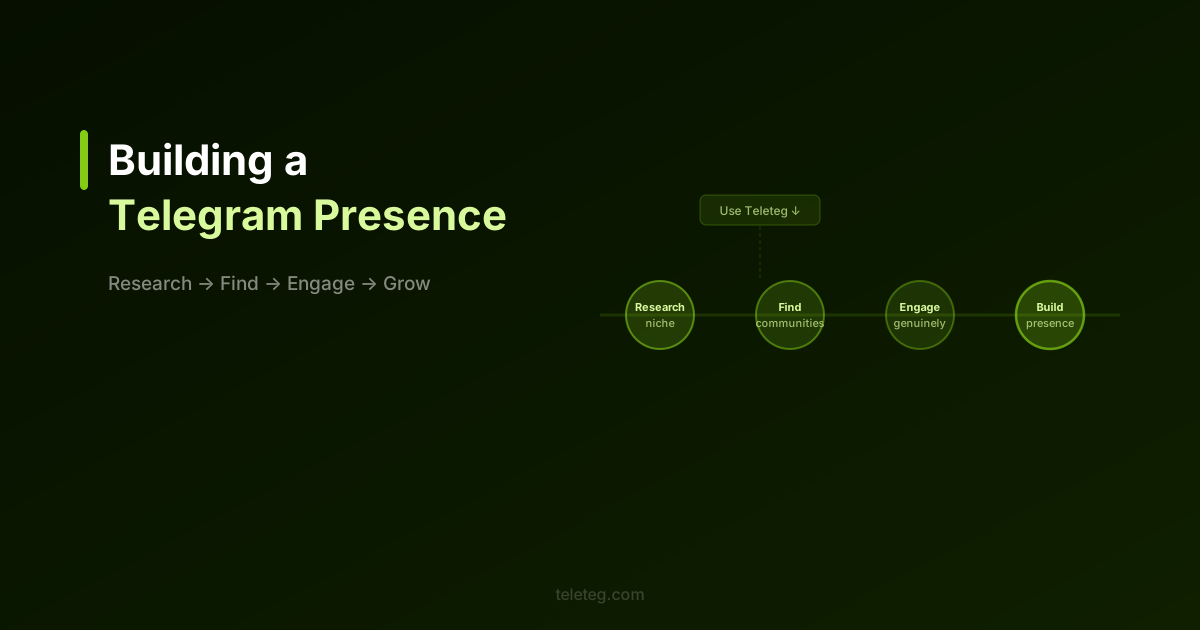
The most common mistake in Telegram community building is starting with "how do I reach people" before answering "where are the relevant people and what do they care about." Skipping the research phase leads to outreach that feels generic and gets ignored.
Understanding the existing landscape — which groups and channels cover your topic, how active they are, what their norms are — takes an hour with the right tools and saves weeks of ineffective effort. Teleteg makes this straightforward: search by topic, filter by language and activity, and build a picture of the communities that matter in your space before deciding how to engage with them.
Engaging With Existing Communities
Established Telegram groups with active, relevant audiences are worth more than a fresh channel with zero members. The question is how to engage with them without being unwelcome.
The approach that works consistently: participate genuinely before promoting anything. Join a group, read the existing conversations, understand what the community values, and contribute something useful before mentioning your channel or product. Admins and members can tell the difference between someone who's been present for a few weeks and someone who joined to drop a link.
For more direct outreach — proposing a cross-promotion with another channel admin, for example — being specific about why it would be relevant to their audience is more effective than a generic collaboration request.
Growing Your Own Channel
Once you've identified communities where your audience exists, getting your channel in front of them is partly about content quality and partly about distribution. Content that's genuinely useful to a specific audience gets forwarded; content that's generic doesn't, regardless of how frequently you post.
A few things that consistently help: being listed in relevant Telegram directories, having your channel mentioned by other admins in adjacent niches, and making sure your channel description clearly explains who the channel is for so people can make an informed decision about joining.
Using Teleteg for Ongoing Monitoring
Strategy isn't a one-time exercise. The Telegram landscape in any niche changes — new groups emerge, existing ones go inactive, communities shift focus. Running a search every few months to see what's changed in your topic area keeps your understanding current and surfaces new opportunities for engagement or partnership.
The search tools guide covers the filters that are most useful for this kind of ongoing monitoring.