Back in June, Telegram quietly added something that should have made more noise than it did: AI admins that screen people before they're let into a group. It shipped in the same update as smartwatch apps, so most of the coverage went there instead. But if you run an open community of any size, this is the first real change to how Telegram handles the front door in years.
What it actually does
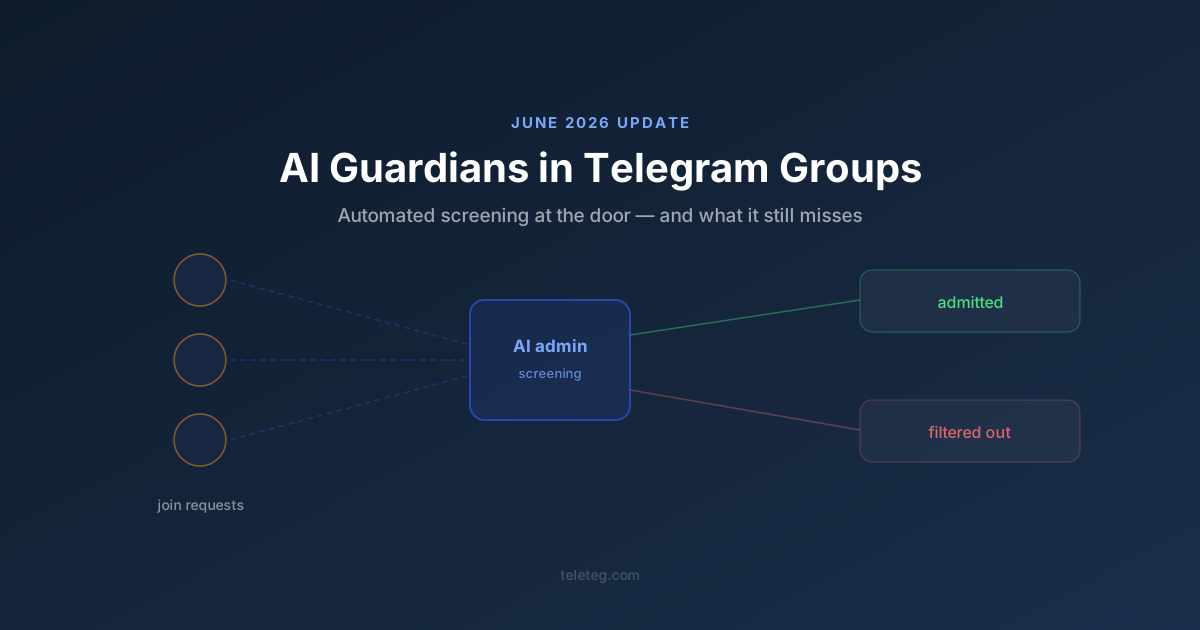
When someone asks to join, the platform now looks at the account and decides whether it matches the pattern of a throwaway. No admin has to review it. No third-party bot with a list of static rules has to sit in the middle.
One thing to be clear about: this controls who gets in. It doesn't touch what they do once they're inside. Those are different problems, and only one of them just got easier.
Why admins turned it on immediately
Anyone who has run a group past a few thousand members knows the pattern. You open join requests, and within a day you're looking at a queue of blank-profile accounts created that week. Half of them post a promotional link in the first ten minutes. You clean up, you tighten the rules, and eventually you just close the door — which stops the spam and stops the real growth along with it.
Automated screening takes that decision off the admin team's plate. The catch is that you stop seeing the rejected accounts, and rejected accounts used to be how you noticed a coordinated push was underway.
Where it still falls short
Three gaps remain, and they're the ones trust and safety people care about:
- Aged accounts. The filter works with what it can see at the moment someone knocks. An account bought six months after it was created, with a plausible history behind it, doesn't look suspicious.
- Sleepers. Join quietly, say nothing for three weeks, then start. Nothing about that trips an entry check — by definition.
- Real people who look wrong. New account, no photo, connecting through a proxy because that's normal where they live. On paper that's indistinguishable from a disposable one.
That isn't a knock on the implementation. It's what every door-level control runs into, and it's part of why bulk outreach keeps failing for reasons that have nothing to do with the filter at all.
The side effect nobody mentions
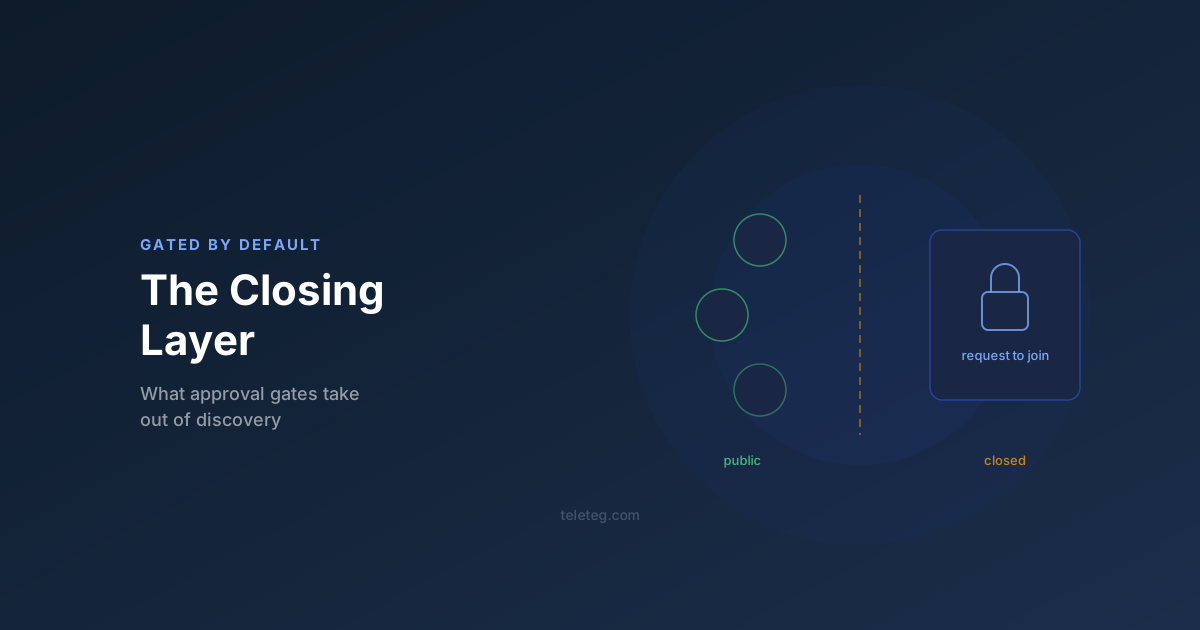
Here's the part that took me a while to notice. As more groups switch this on, you can't tell from the outside how open a group really is. It looks public. The member count goes up. And it might be admitting one applicant in five.
If you're sizing up whether a community is worth approaching, subscriber numbers and public metadata tell you less than they did a year ago. That's worth factoring into any plan built around volume messaging tools, where entry friction is usually treated as something to work around rather than something to plan for.
If you run a large group
- Keep a way for people to appeal. The filter should cut your workload, not remove the human path entirely. A good contributor who gets bounced with no explanation doesn't try twice.
- Watch the first few days after admission. Entry control doesn't remove the abuse window, it moves it. First-message timing tells you a lot.
- Don't let it replace your rules. When a dispute comes up, written community guidelines carry weight. An automated decision nobody can inspect doesn't.
Worth it, with eyes open
The feature saves real work and will visibly cut low-effort spam. It won't stop anyone who's actually trying, and it makes communities harder to read from the outside. Treat it as one layer and you'll be fine. Treat it as the answer and you'll find the gap eventually — probably at a bad moment.